 Reviews

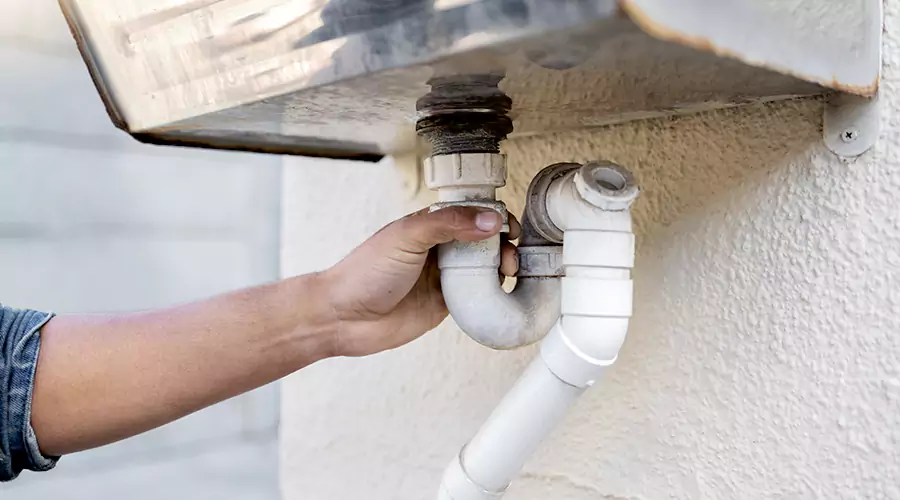
An HVAC drain line removes moisture that forms during cooling. When an HVAC drain line clogged issue occurs water cannot drain properly and begins to back up. This can lead to leaks around the indoor unit and higher humidity inside the home. You may notice musty smells or water stains near the system. A blocked line can also trigger a safety switch that shuts the system off. This stops cooling and creates discomfort. Clogs usually form from algae and dirt buildup inside the pipe. Regular inspection and cleaning help prevent these problems and keep your system running safely.
What an HVAC Drain Line Does?
The drain line carries condensation away from the indoor unit. This prevents moisture from building up inside the system. Proper drainage supports safe operation.
How Moisture Moves Through the System?
The condensate drain line directs water from the drain pan to an exit point. This process depends on clear flow inside the pipe. Any blockage can stop this movement.
Why AC Drain Lines Get Clogged?
Clogs develop gradually as debris builds inside the pipe. Moist conditions allow growth to form quickly. Over time the line becomes restricted.
How Buildup Forms Inside the Drain Line?
An AC drain line clog often starts with small particles that stick to damp surfaces. Algae and dirt combine to narrow the pipe. This slows drainage until blockage occurs.
Common Causes of Drain Line Clogs
A clogged condensate drain can happen for several reasons. Some causes are related to poor maintenance, while others come from normal system operation.
| Cause | What Happens | Possible Result |
|---|---|---|
| Algae growth | Slime builds inside the line | Water drains slowly |
| Dust and debris | Dirt enters the drain pan | Pipe becomes blocked |
| Poor maintenance | Line is not checked often | Clogs go unnoticed |
| Drain pan buildup | Sediment collects over time | Water backs up |
| Pump problem | Water cannot move out | Leaks may appear |
This table can help homeowners understand why regular checks matter.
Signs Your Drain Line Is Clogged
A blocked air conditioner drain line often creates warning signs before serious damage happens. Homeowners should watch for moisture, odors, and unusual system behavior.
Common warning signs include:
- Water near the indoor unit.
- Musty smell from vents.
- AC system shutting off.
- Full or overflowing drain pan.
- Damp walls, floors, or ceilings.
- Higher indoor humidity.
- Repeated cooling interruptions.
These signs should not be ignored during cooling season.
Water Around the HVAC Unit
Water near the system indicates a drainage issue. This may come from overflow or leakage.
It should not be ignored.
How Water Damage Can Spread Quickly?
Seeing water around HVAC unit components means drainage is not working properly. Moisture can damage nearby materials. Stopping the system helps limit damage.
AC Leaking Water Indoors
Indoor leaks often result from blocked drainage. Water may appear near the unit or surrounding areas. This requires immediate attention.
Why Indoor Leaks Indicate System Issues?
AC leaking water can point to drainage failure or coil problems. An indoor AC leak should be inspected quickly. Early repair prevents structural damage.
Drain Pan Overflow
Overflow occurs when water cannot exit the system. The drain pan fills beyond capacity.
This may trigger a safety shutdown.
What Causes Excess Water in the Drain Pan?
A drain pan overflow often results from blocked drainage or improper pan condition. Water collects faster than it drains. Inspection helps identify the cause.
Algae in the Drain Line
Algae growth forms inside damp drain lines and creates thick buildup over time. This buildup restricts water flow and increases the risk of clogs.
Why Moisture Encourages Biological Growth?
Algae in drain line pipes develops due to constant moisture and organic debris. Regular cleaning helps limit growth and maintain proper drainage.
Clogged AC Pipe Problems
Blocked pipes can disrupt normal HVAC operation and reduce cooling performance. Water backup may trigger system shutdown to prevent damage.
How Drain Issues Affect Cooling Operation?
A clogged AC pipe can stop the system through a safety switch response. Clearing the blockage allows normal cooling to resume.
Condensate Pump Issues
Some HVAC systems use pumps to remove water when gravity drainage is not possible. Pump failure can lead to water buildup around the unit.
How Pump Failure Affects Drainage?
A condensate pump may fail due to electrical faults or debris inside the reservoir. Testing the pump helps confirm whether replacement or repair is needed.
How Drain Line Cleaning Helps?
Cleaning removes debris that blocks water flow inside the pipe. This helps restore proper drainage and prevent leaks.
Why Safe Cleaning Methods Matter?
Drain line cleaning clears blockages without damaging components. Professional tools improve results. Safe cleaning protects the system.
Prevent Drain Line Clogs
You can prevent drain line clogs with regular care and timely service. Maintenance helps stop buildup before it blocks the pipe.
Helpful steps include:
- Change air filters on schedule.
- Keep the indoor unit area clean.
- Watch for water near the system.
- Schedule seasonal AC service.
- Ask for drain line checks during tune-ups.
- Call early when musty smells appear.
Simple attention can reduce the risk of leaks and shutdowns.
Maintenance Protects the Drain System
Routine service includes checking drain lines and pans to catch buildup early. Regular care helps prevent leaks and system shutdowns.
What Maintenance Checks Should Include?
Regular HVAC maintenance should include inspection of drain lines and pans for buildup. An AC maintenance service also checks airflow and system cleanliness.
When HVAC Repair Is Needed?
Some drainage problems cannot be fixed with simple cleaning. Repeated clogs often indicate a deeper issue in the system.
Signs That Cleaning Alone Is Not Enough
HVAC repair may be needed when clogs return quickly or water damage appears. Structural or installation issues may require professional correction.
Why Professional Cleaning Matters?
Professional service removes buildup that homeowners cannot reach. It also helps identify problems before they worsen. Regular HVAC cleaning can help keep the drain system clear and support proper drainage.
How Experts Prevent Future Drain Problems?
Professional HVAC cleaning clears the drain system and checks related components. This helps reduce the risk of future clogs and system issues.
Final Thoughts
Drain line clogs are common, but they should not be ignored. Moisture, algae, dirt, and poor maintenance can block the line and create leaks around the indoor system.
If you see water near the unit, notice musty odors, or experience sudden AC shutdowns, schedule service before damage spreads. With regular maintenance, drain checks, and proper cleaning, your HVAC system can remove moisture safely and keep your home more comfortable.